It’s an interesting phenomenon we’re starting to see in a lot of tech and creative circles: what can you build in a weekend?
Charity event 24theWeb creates websites for charities who can’t afford them in 24 hours.
StartupWeekend gets developers and designers together for a weekend to share ideas, build technology and launch start-ups.
Ireland’s 24 Hour Universal Design Challenge creates inclusive design solutions to produce usable environments, buildings and products.
And now in magazines as well, we’re seeing some really fascinating experiments in “what can we publish, given a finite amount of time?”
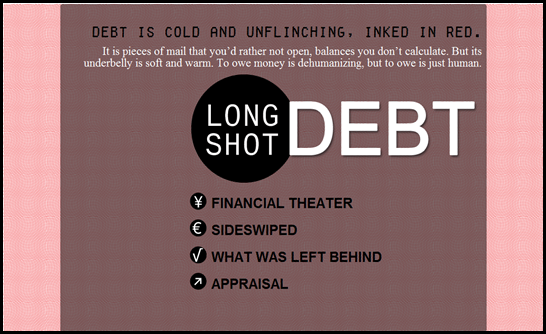
LONGSHOT
Longshot has now created two issues of its 48-hour magazine. The second issue, published in July 2011 was created between noon July 29th, 2011 and noon July 31st, 2011. Its theme was “Debt”, and you can read a web version here: http://two.longshotmag.com/ or order from MagCloud if you want a print copy.
The Atlantic has a great article about the methods and tools Longshot used to create their magazine so fast: http://www.theatlantic.com/technology/archive/2011/07/the-almost-free-toolkit-we-use-to-make-longshot-magazine/242750/. In the article, Alexis Madrigal (who is both a founder of Longshot & a senior editor at The Atlantic) describes how they worked with thousands of people around the world who contributed content and managed things with free tools like Google Docs and Google Forms, raised money via Kickstarter, and posted updates to fans via Twitter, Tumblr and Google+.
Combining content from thousands of contributors, paring it down to the best of the best, editing and laying it out is no small feat. Doing it in a weekend is quite impressive. Unless you want to do it in a day…

24HOUR MAGAZINE
If 48 hours just seems a little too laid back for you, 24HourMagazine was conceptualized, produced and printed all in a single day with the motto, “1 day. 1 magazine. Start to finish. Scratch to print.”
Founders Tuffer Harris and Sam Mulkay, along with volunteers, created 24HourMagazine in a 24 hour period including topics on fashion, design, music, and lifestyle. The endeavour resulted in a 47-page magazine with no advertisements using a system called Issuu. During the short project, they allowed viewers to check in on progress via photo and video feeds as well as blog and Twitter updates.
Unfortunately it looks like the website is no longer active. However, Cool Hunting has some screen shots of what the completed magazine looked like, and it’s quite beautiful indeed: http://www.coolhunting.com/culture/24-hour-magazin.php.
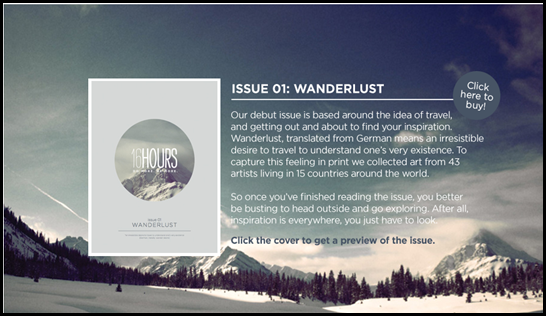
16HOURS
“Okay,” you’re thinking. “Now this is just getting ridiculous.” Fear not: 16HOURS is not what you might expect given the above magazines. 16 Hours, as the website states, “is the time difference between Calgary, Canada and Sydney, Australia”, which is where the two designing founders of the magazine live.
16HOURS currently has three issues available, and their website mentions that they’ll be open to accept Instagram submissions for their next issue starting February 16th. So it seems the next issue could be just around the corner. Follow them on Twitter to stay up-to-date.
Like Longshot, you can purchase 16HOURS print or digital editions on the MagCloud site. Issues include content from artists all over the world and based on the previews on the site and on MagCloud, they are beautifully designed.
WHAT’S THE POINT?
We often argue that we need more time, that we don’t have enough time, that our work would have been better if we had more time. But there is a need for deadlines, and restrictions have their place. Having unlimited resources, budget, and time may sound like a dream project, but with no goal post it can be tough to focus. Constraints force us to focus on the goal. The tougher the restrictions, the more creative we have to be.
Here’s an exercise to demonstrate the power of constraints:
- Pick one task you need to do this week: a blog post, a chapter of a book, something you’re cooking, some photos you have to edit, something that requires more creativity or thought than “dropping off the recycling” or “buying groceries.” (On the other hand, if you needed to save time, you could try ordering groceries online instead and see how it works out for you!)
- For whatever activity you choose, guesstimate how long it will take you. Give yourself half of that time to finish it. Impossible? See what happens.
- Pick another task & give yourself 25% of the time you think you need to finish it. I take no responsibility, however, if you attempt to cook a chicken in 30 minutes and make yourself sick.
One way this sometimes works for me is that I just get it done. An article I think will take me 5-6 hours and I only have 2? It’s got to be more focused, so I spend more time up front outlining what I need to write. Whereas usually when I have more time, I go slowly, letting any semi-related thought into an early draft, only to be edited out later.
Another thing that happens is that I don’t get it all done. I sat down to edit all ten billion of my photos from India tonight, and I only made it through 3 days of the trip. Oh well. But still: I made it through three days & I can share those with friends & family, versus before when I was waiting until I happened to have a spare eight hours. A spare eight hours does not accidentally happen, at least not to me. So now, instead of endlessly postponing a task & feeling guilty about it, I have some amount of progress, however small. A dent is a dent.
SUMMARY
Websites can be designed & built in 24 hours. Design challenges to improve cities can be attacked in a weekend. A magazine can be produced in 48 hours or on opposite sides of the world. Whatever constraints are facing you are offering focus. Instead of assuming they’re hindering you, remember they’re there to help you progress.
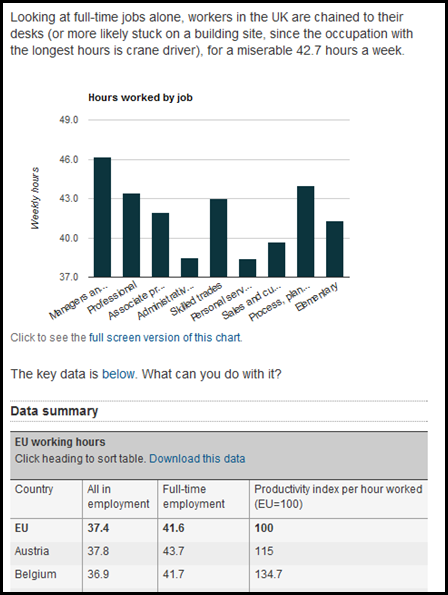
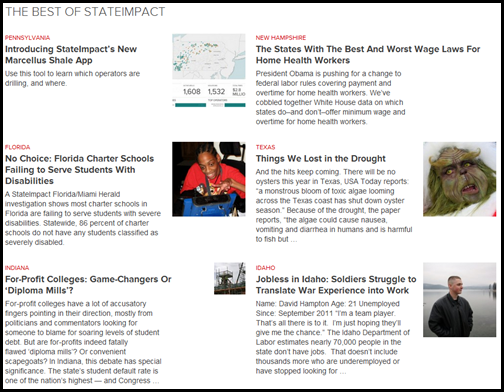
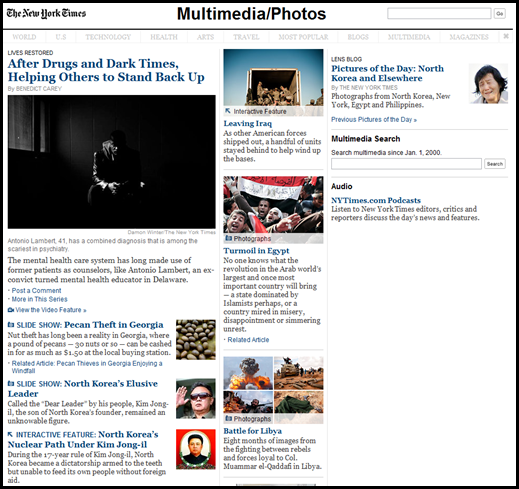
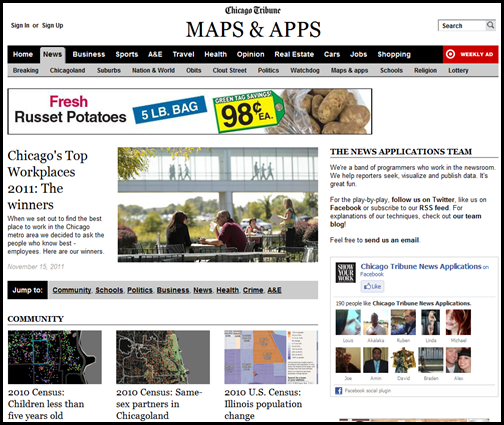
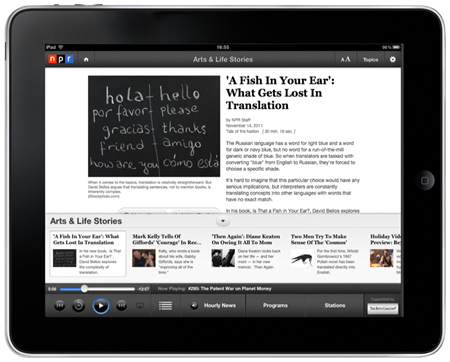
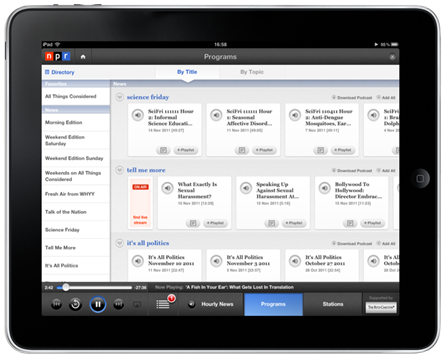
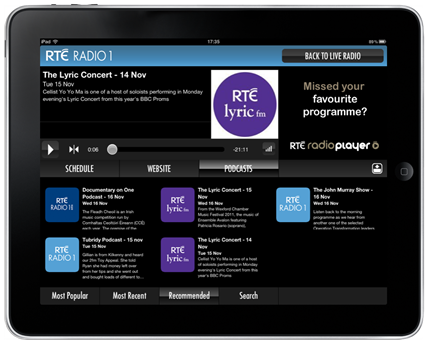
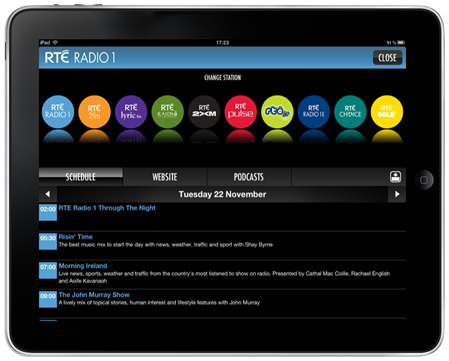
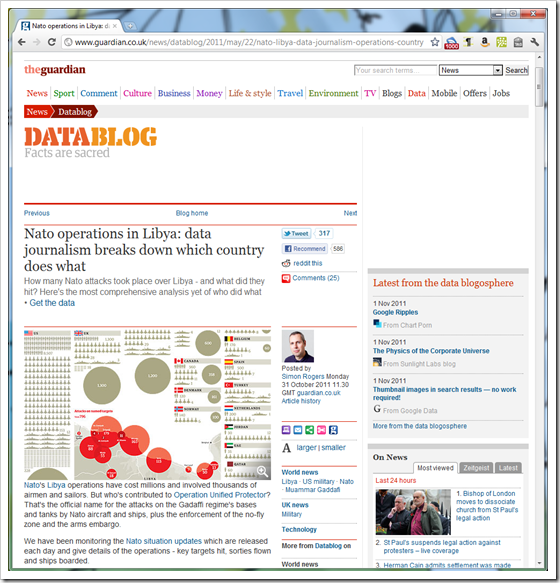
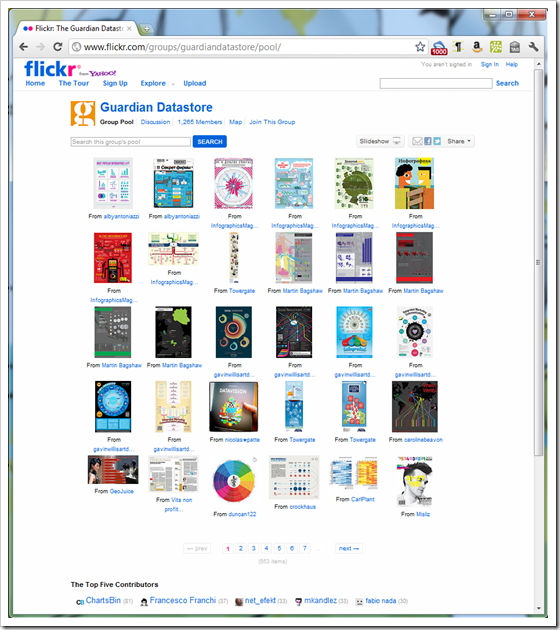
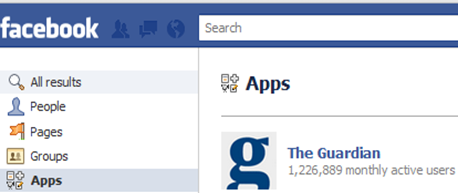 In the last month we’ve had some news sources trying an unconventional method of reaching new audiences: Facebook. “Go where your readers live” is the message of news applications within Facebook, and there is certainly no shortage of people who spend a significant amount of time checking in on Facebook throughout the day, whether it is to update their own account or to see what’s going on with their friends and other businesses/events they follow. Today we’re looking at a few of these Facebook-integrated news apps, including WSJ Social by the Wall Street Journal, The Washington Post Social Reader, and The Guardian on Facebook.




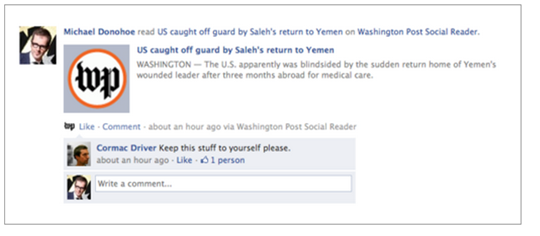
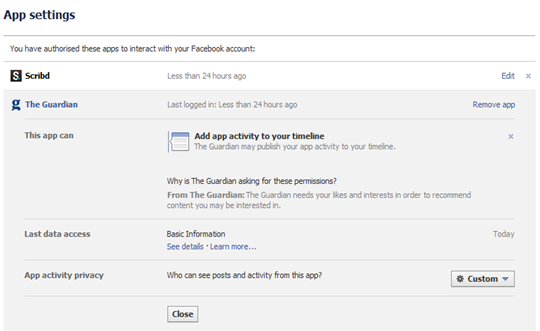 As with many Facebook-related things, there are privacy controls so that users can block their friends seeing certain activities or stop an app from posting to their timeline, but they may not be incredibly obvious or easy to locate/use. It might be hours after your profile has shown that you’ve read a controversial article that you realize it was there, as it’s not always obvious what gets posted to your profile and what doesn’t. By that time, conservative colleagues will have already seen it. It depends how careful you are about locking down your Facebook profile and whether you care about others knowing what you’re reading.
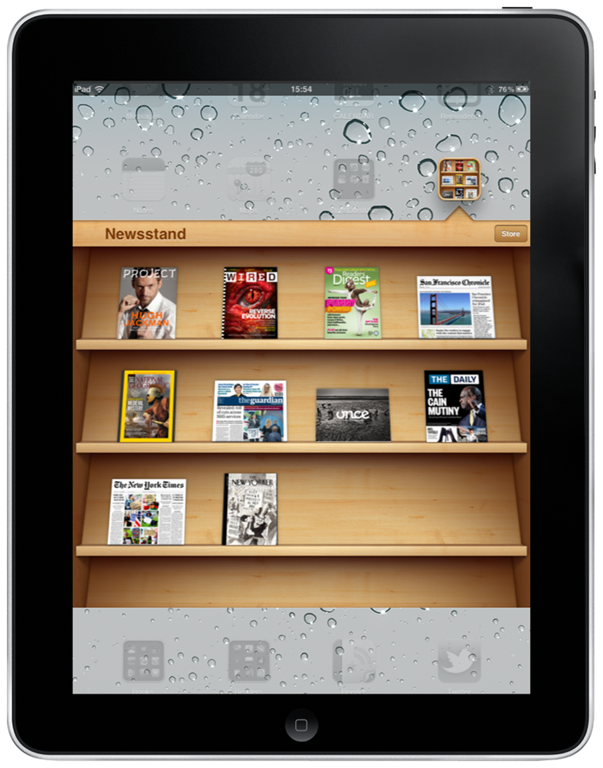
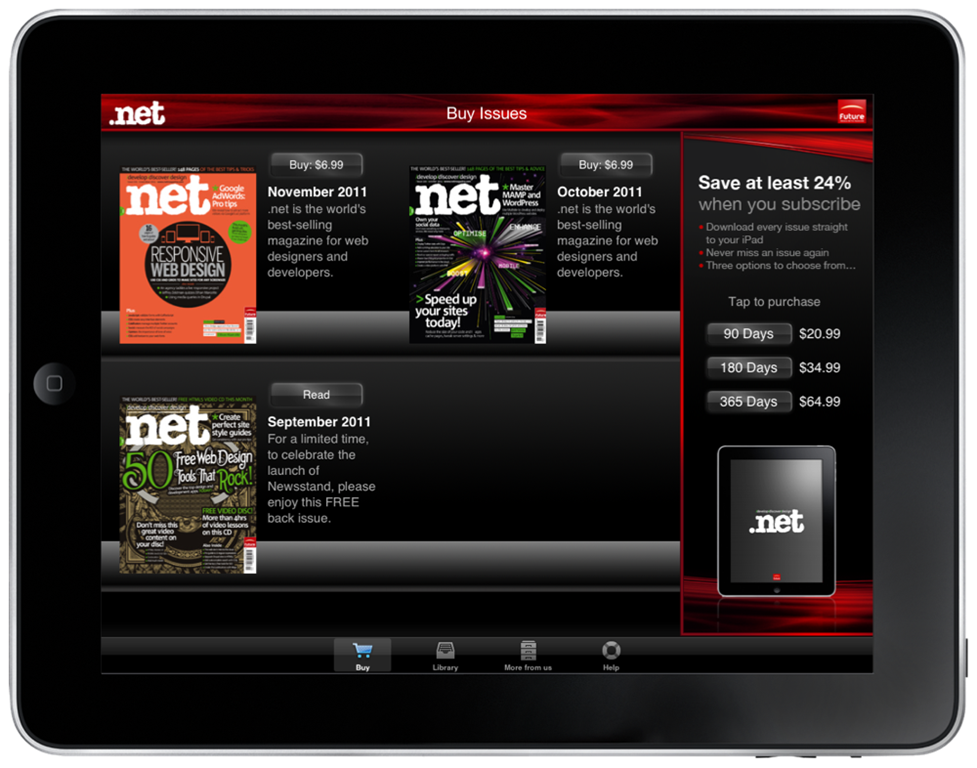
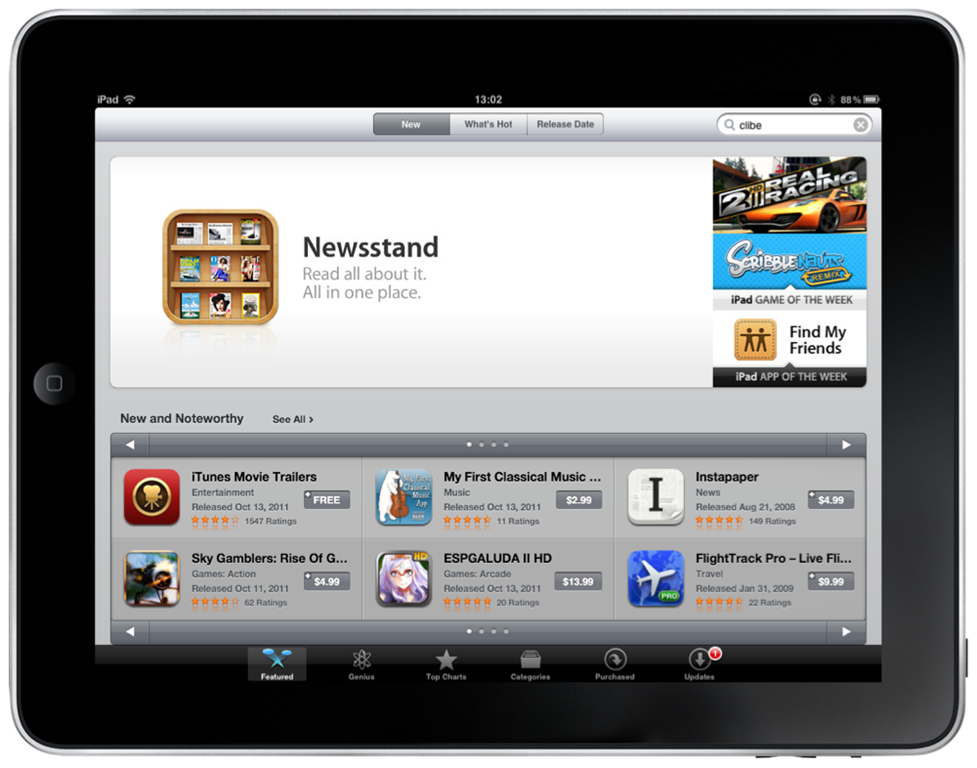
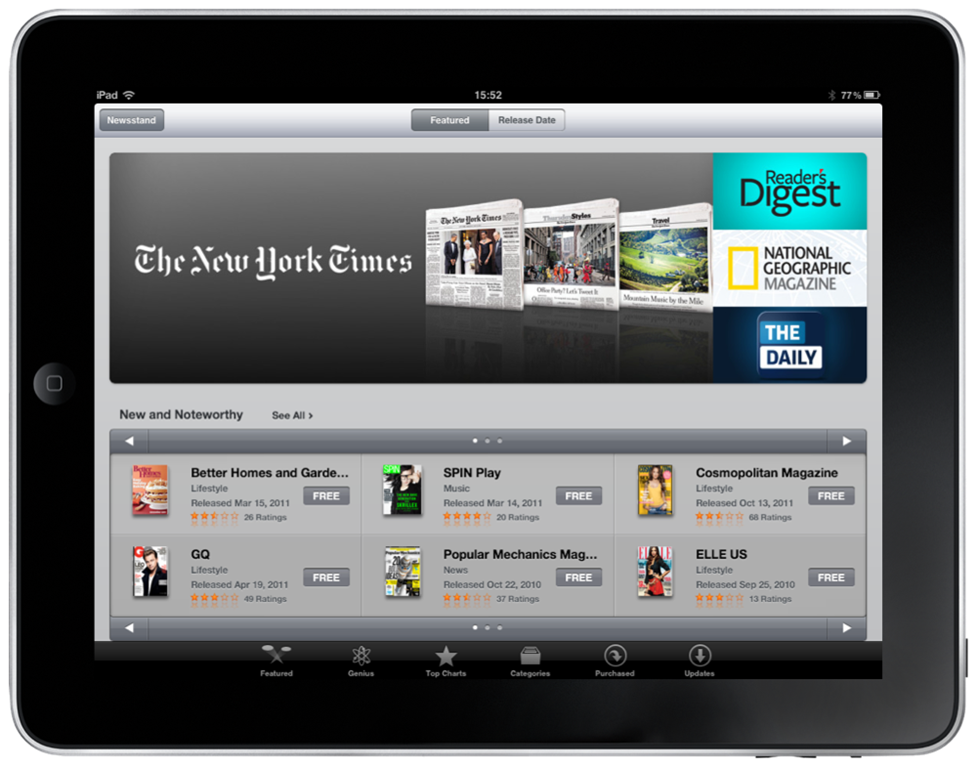
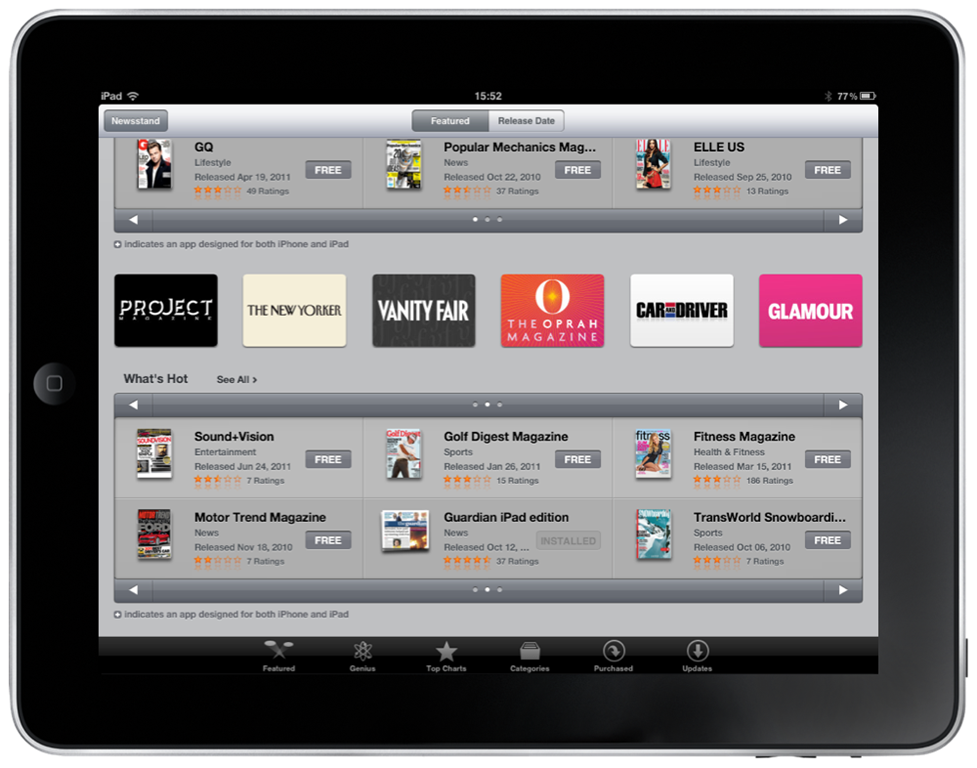
 When iOS5 features were shown earlier this year at Apple’s WWDC, Newsstand was one of the most interesting and talked about ideas. Now that iOS5 is live, it’s time to give it a test drive and see if it meets publishers’ expectations.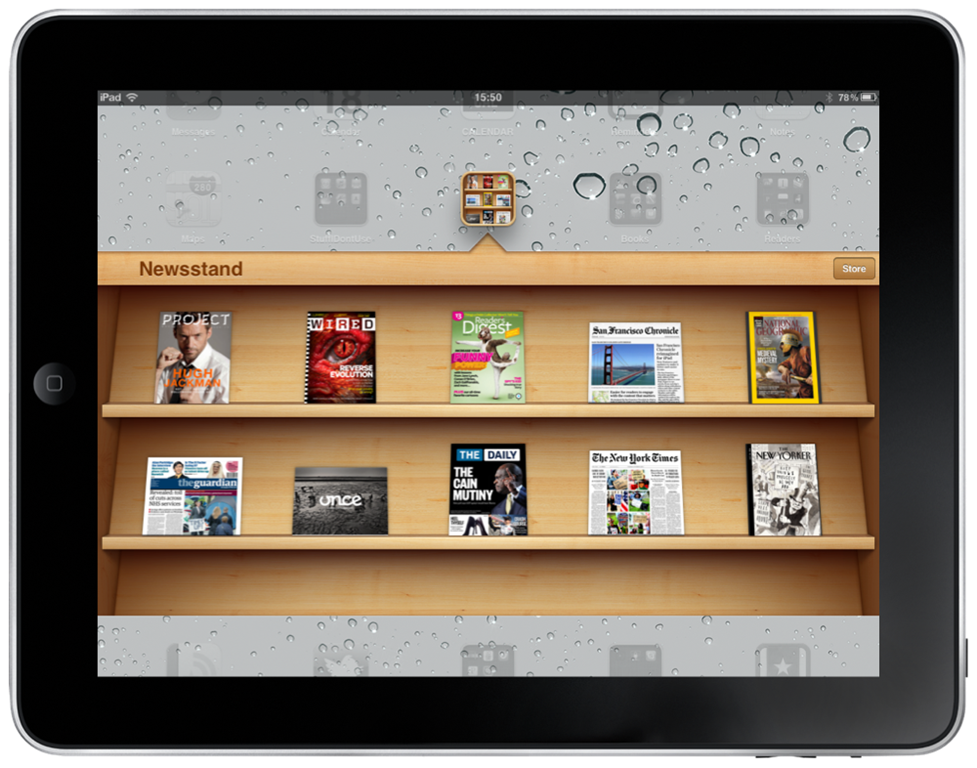
 THE DAILY
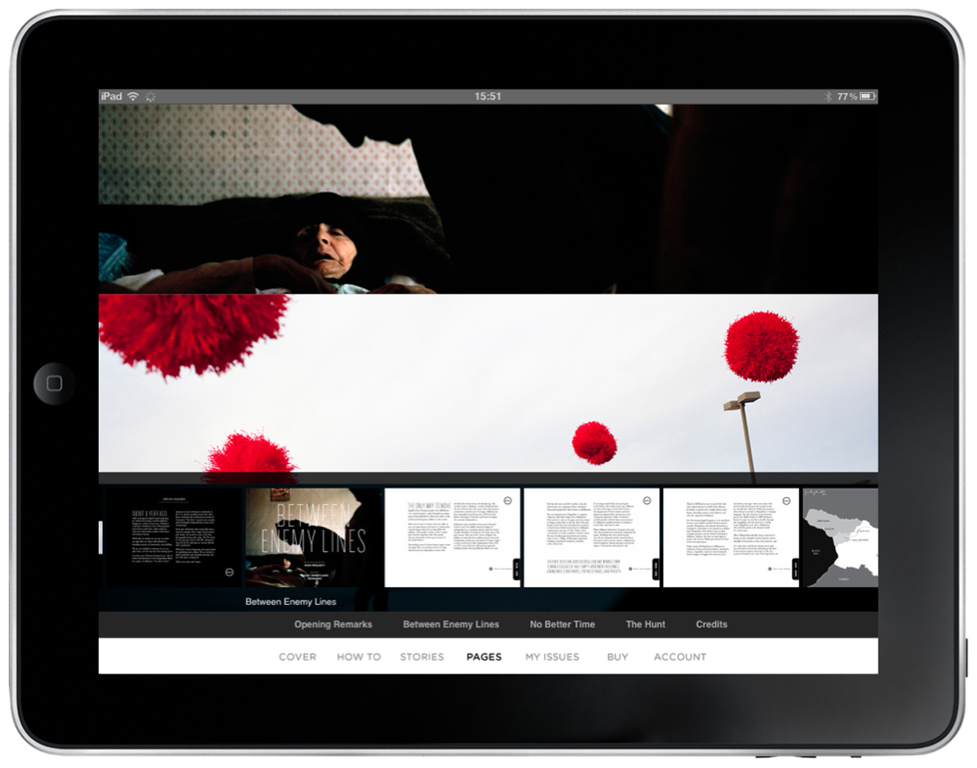
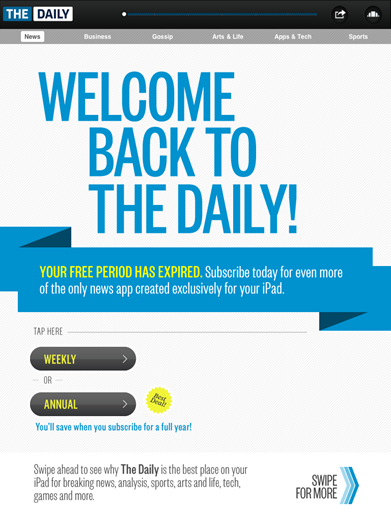 But the app was very heavy. The early versions crashed frequently and took a long time to download each day’s edition. There were bugs. It was slow. It crashed when it tried to detect my location (since I am outside the US). Every few days, the app would forget that I had a paid subscription & require me to sign up again, causing me to fear I was being charged multiple times. Eventually that annoyance and the focus on US news (there is still very little world news coverage except for very big stories) caused me to cancel my subscription.
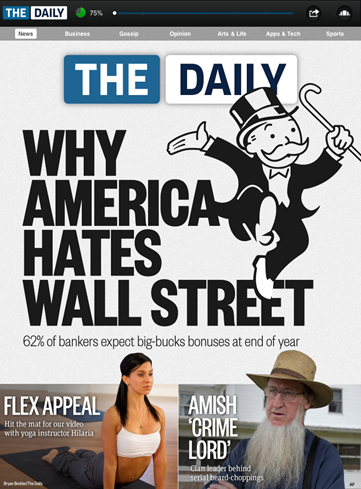 At SND last week, I learned that The Daily has a team of 50 designers to help lay out each day’s issue by hand, 100 pages in total. And then they do it again in landscape mode. They have no automatic templates. They use Adobe tools the whole way through up until they need to put it into the CMS and then rebuild it there. To me, this whole process sounds like a nightmare. An unsustainable one at that.
 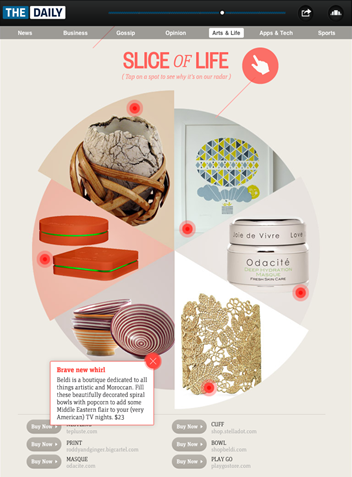 But the pro of this painful process is that The Daily has absolute freedom to design however they want, something most publishers can’t do from either a financial or labour perspective. They can use things like Jamie Beck’s cinemagraphs. They can hand-code HTML5 animations and transitions when they run into CMS limitations. They have freedom to design and customize everything each day. That’s pretty amazing, and something I think a lot of publishers would appreciate, especially given that at every event I’ve been to this year, CMSs have been cited as painful and limiting software.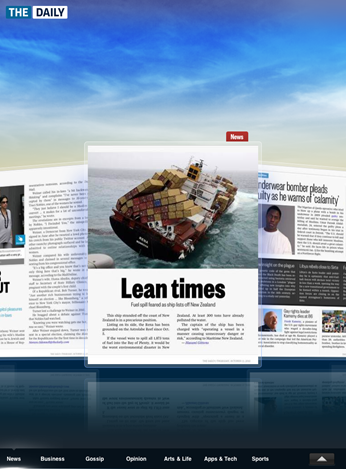
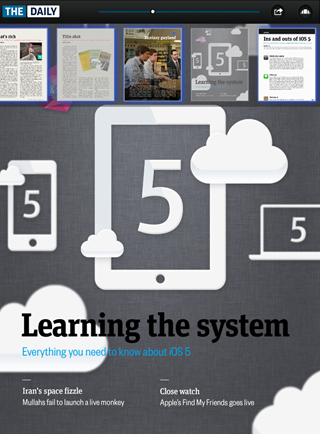 The Daily reported last week that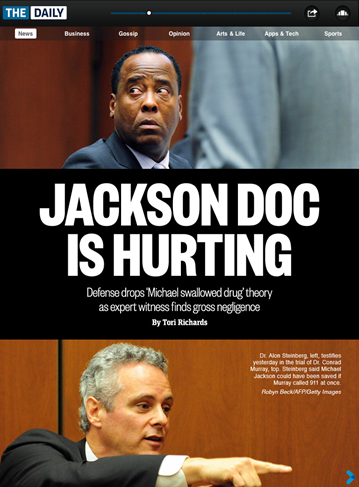
 NEWSY
NEWSY Newsy currently works on iPhone, iPad, Android, and Blackberry. Plus their website has all of their content as well.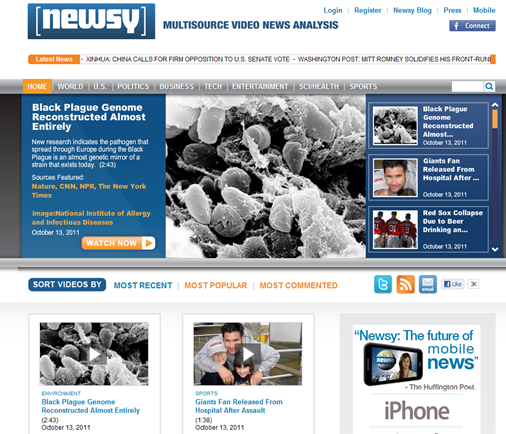
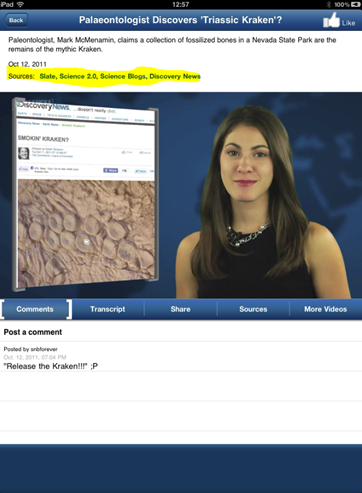 Stories featured on Newsy come from their rotating editorial team, who research blogs, news sites, magazines, television and many other sources. They have their own technology which can record as they do their research to help them put together the whole story when they feel they have a comprehensive, bias-free view. Viewers are invited to comment on stories and contribute as well.
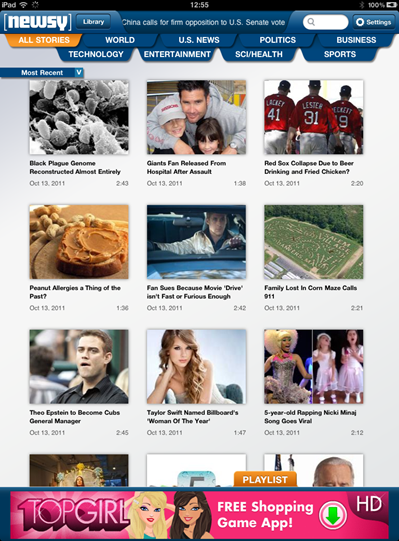 Newsy is a refreshing look at world, US, political, business, tech, entertainment, science and sports news without a bias or an agenda. There are ads on their apps and website, but other than that I’m not sure what their revenue model is. They have been winning awards and getting great reviews, so I’m sure we’ll continue to see them do interesting things.
 NEWS360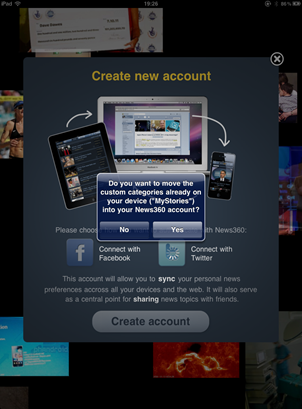

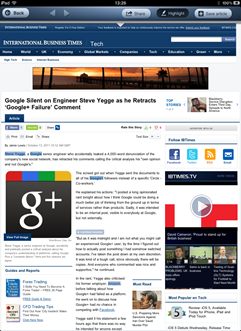
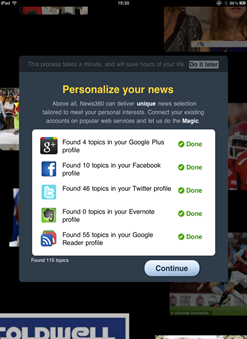
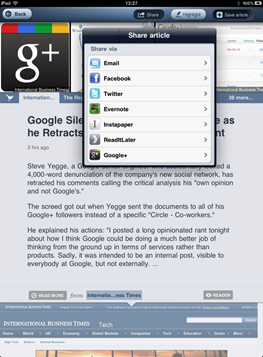 There’s some weirdness in News360. Why do I need a URL to access my stories? Why does it need permission to post to my Twitter feed? Does it actually get value from analysing my Evernote account? Does this process really “save hours of my life?”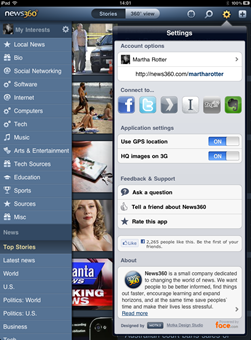

 Cross-Platform Editing – Teresa Schmedding is the president of the American Copy Editors Society and also an assistant managing editor at the Daily Herald in Chicago. Teresa talked about trying to hold the line between editorial quality and actually getting stuff out the door. Her stories of pet peeves of writers and editors she’s dealt with were highly entertaining. It’s hard to know what’s worth fighting for. You will have readers who will write and complain about certain edits so you have to know what your standards are.
 Designing a Responsive News Website – Everyone working on the web at this point has to have seen the Boston Globe redesign at
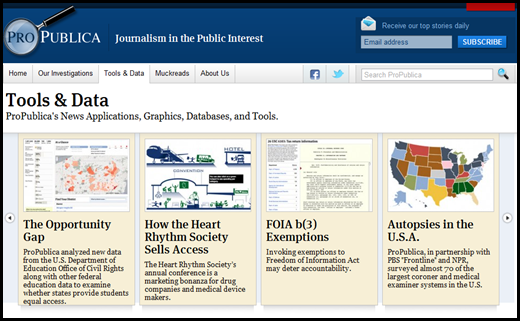
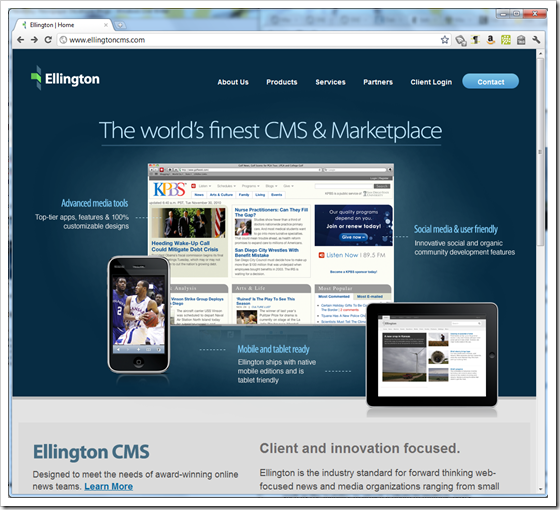
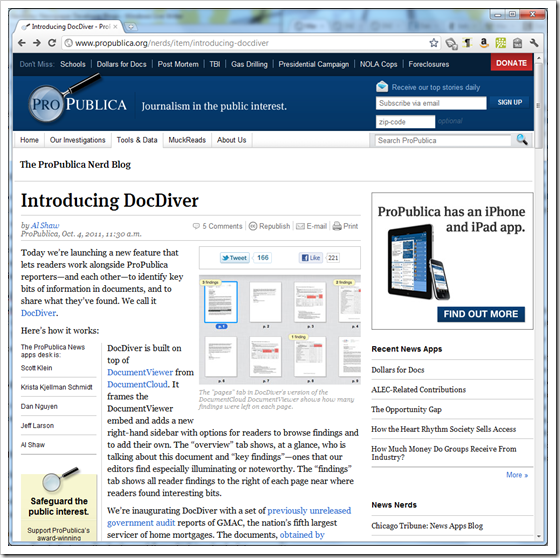
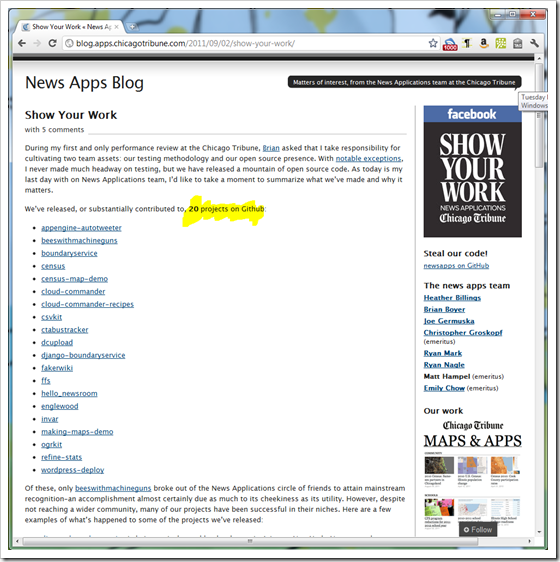
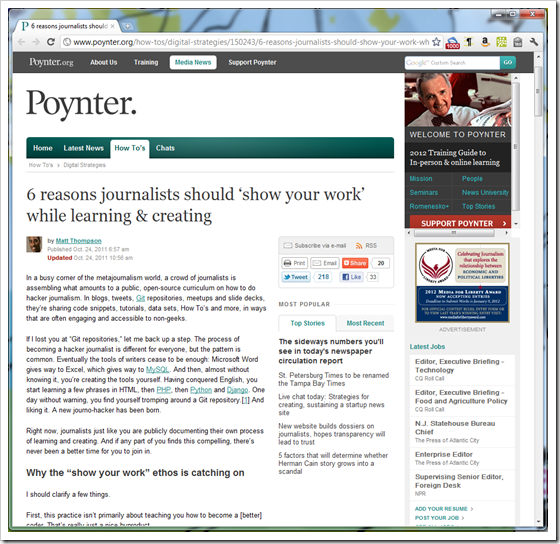
 How to Make News Apps in your Newsroom – Several times on this blog I’ve mentioned the fact that trying lots of different things and being able to work news, magazines and media more like an agile start-up is a great way to get ahead of the competition. Brian Boyer from The Chicago Tribune and Scott Klein from ProPublica talked about news apps which are software. This is a new area, so these aren’t people in your company who can fix your computer or get the server back online, they’re people who can build newly capable applications to visualize stories or interact with users.
 Finding the Web Designer Within – These two guys from Upstatement had amazing slides that they published ahead of time so you could follow along. The slides are great because they point out that a lot of what news designers have been trained to do are very useful skills for web design. Things like grids, typography and being able to organize volumes of information are all skills that can transfer to web design.
 Adios, Arial! New Tools for Taking Beautiful Typography from Print to Digital – Typography is so important for readability on the web, and Alan Tam, Sam Berlow and Danny DeBelius gave a great talk and examples on why you need to test every scenario, why the results can change and some technology to use to help. Sam recommended tools like the web font preview on
  Closing Keynote with Robin Sloan and Matt Thompson – This presentation was definitely one you did not want to be late for. The session was live-streamed, and below is the video. Robin and Matt are amazing speakers and it’s definitely worth watching their take on what the future of reporting a natural disaster might be like with their video called The Storm Collection and the brilliant talk that follows:
 DATA VISUALIZATION WORKSHOP
 CONFERENCE DAY 1
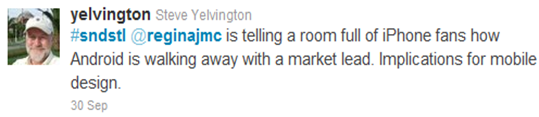 Mobile & Tablet Research Roundup – This was an overview of tablet and mobile research by Roger Fidler & Regina McCombs. Some interesting stats from thinkMobile & Google research on how people are using smart phones
 Fun101 — A strange title for a talk at a news design conference, but Fun101 with
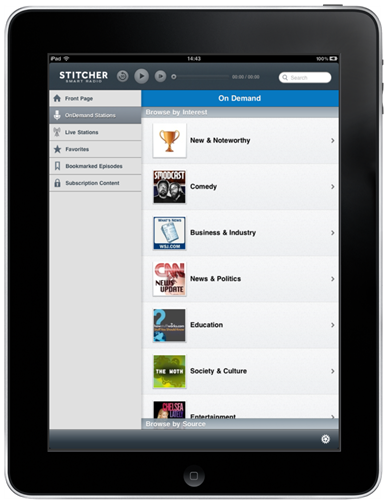
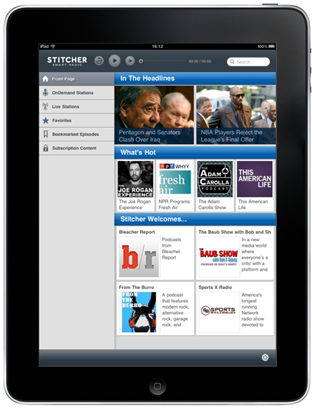
  Designing Personalized Tablet News – This was a panel with Bobby Ghoshal from Flud, Mark Johnson from Zite & Joey Marburger from Trove. It was a good panel where each aggregator talked about their decisions on multiple platforms, how much setup to give the user (i.e., do you seed them with feeds, let them choose, etc.), how they allow users to share, revenue streams and more. My takeaway from this was that these are in a dangerous spot as they rely a great deal on the lack of pay walls or a system to integrate with news sites. The aggregators don’t want to do a ton of work for each site they allow their users to access so the tougher a news site’s pay wall, the more likely the aggregators won’t include it. Having just seen the fantastic film
  Keynote Speaker: Rob King – Rob King, VP & Editor-in-Chief of ESPN Digital Media gave a fantastic talk on dealing with change in your personal and professional life.
  Designing the Magazine and Issue-based Tablet Experience – This talk was given by Mike Schmidt from The Daily, Claus Enevoldsen from Next Issue Media and Robert Newman from Reader’s Digest. Very good session on the tools they use, how they spend their time and production flow. I was terrified to learn that at The Daily, there are 50 people on just the design team, and that they have no automatic templates so every day they handcraft over 100 pages. Then they do it again in portrait mode. Yikes.
 Touching News: The New Rules of Tablet Media – This session was one of the ones that made me sign up for this conference. I read Josh Clark’s book Tapworthy earlier this year and loved it. Josh had some of the best slides of the event, but he also automated his Twitter account to tweet additional interesting blurbs about his talk as he was speaking. Magic! Josh had excellent UI tips, usability and interaction examples, and was basically all around brilliant. Excellent speaker – go listen to him if he’s speaking near you any time soon. His beautiful slides are here:
 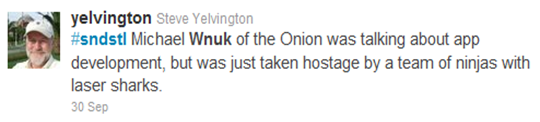 Building in HTML5 & Bypassing Native Apps – I loved this session, not just a little because one of the developers from The Onion was speaking. Alan Herzberger from The Oklahoman & Michael Wnuk from The Onion gave very honest overviews of why they chose to build with HTML5 instead of iOS and their internal processes that happened for design, development, CMS modification, etc. Very interesting and candid discussion about the pain they went through, what works and what doesn’t.
  Visual Conceit: The Secret Ingredient of the Secret Ingredient – Adonis Durado has a tough job. As Design Director of two newspapers in Oman, he works with designs and layouts in both English and Arabic and has to deal with a very reserved audience where showing skin to get more readers is not an option. Adonis talked about creating pages and layouts that make people think and surprise them. He showed a lot of examples of his papers’ compelling designs and “Wow factor” creations. He cited hiring a diverse team with different backgrounds and voices as one of the defining factors of his successful transformation of the papers from unknown to award-winning. His hand-out from the talk is here: